
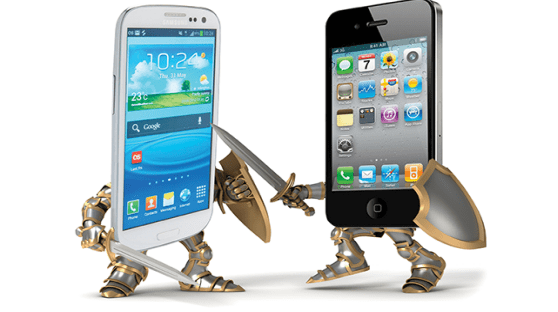
Bu yazımızda iki texnologiya nəhəngi – Samsung və Apple arasında illərlə davam edən məhkəmə mübahisələrindən bəhs edəcəyik – daha doğrusu “patent müharibələrindən”.
Mübahisənin detallarına keçid etməzdən öncə qeyd edim ki, mobil telefonlar, yəni smartfonlar sənaye nümunələri (AR-nın “Patent haqqında” Qanununa nəzərən) və dizayn patentləri ilə (ABŞ Patent Aktına əsasən) mühafizə olunur.
Bəs sənaye nümunəsi (industrial design) və dizayn patenti (design patent) arasındakı fərq nədədir? Məzmun etibarilə kəskin fərqlər müşahisə olunmur. Hər iki hüquqi mühafizə imkanı obyektin yenilik və orijinallıq şərtlərinə cavab verməsilə şərtlənir.
Əvvəla bizim qanun sənaye nümunəsi anlayışından istifadə edir. Yurisdiksiyadan asılı olaraq, məsələn ABŞ dizayn patentlərinin hüquqi mühafizəsini təmin edir. Mahiyyət etibarilə hər iki anlayış əsasən üst-üstə düşür. “Patent haqqında” AR-nın Qanunun maddəsinə əsasən, sənaye nümunəsinə məmulatın zahiri görkəmini müəyyən edən bədii-konstruktiv həllər aiddir. Sənaye nümünəsi şəkil və ya model, yaxud onların birliyindən ibarət ola bilər. Yeni və ya orijinal olan, sənaye nümunəsinə hüquqi mühafizə verilir.
Dövrümüzdə sənaye nümunəsi istehlakçının nəbzini tutmaqda, bununla da istehsal və satış texnologiyasını inkişaf etdirməkdə mühüm vasitəyə çevrilib. Xüsusilə də kiçik və orta biznes əsasən sənaye nümunələri vasitəsilə təşəkkül tapır. Çünki bazarda rəqabət aparan iri şirkətlər üstün və mütərəqqi dizayna malik yeni məhsullar isthesal etməkdə israrlıdırlar.
İllərlə məhz smartfonların dizaynı uğrunda mübarizə aparan dünya brendləri : Samsung və Apple. Mübahisə 7-dən çox ölkədə, fərqli yurisdiksiyalarda araşdırılmışdır. Məhkəmələrin yekun qərarları isə bir-birindən fərqlənir. Bu yazımızda təkcə ABŞ məhkəmələrində mövcud mübahisənin detallarını işıqlandıracağıq.
Məlumdur ki, hər iki şirkətin məhsulları məhz funksionallıqlarına görə fərqlənirlər. Apple şirkəti smartfonlar üzərində bir neçə dizayn patentini qeydiyyatdan keçirməklə özünü vaxtında sığortalamışdı ki, mübahisənin gedişatında bu amil onun xeyrinə qərarın çıxarılması ilə nəticələndi.
Smartfonların kənar formaları bu qədər əhəmiyyətə malik olduğunu nəzər alsaq, Samsungun Apple şirkətinə ödəməli olduğu kompensasiyanı da təsəvvür etmək çətin deyil. Smartfonların dizaynının Samsung tərəfindən kopya edildiyi iddianın əsasında dayanırdı.
Apple şirkətinin sözçüsünün dedikləri sənaye nümunəsinin əhəmiyyətini anlamağa kömək edir: “Bu puldan daha çox şeydir. Bizim işçilərimiz kreativlik yaratmaq üçün gecə-gündüz çalışıblar. Apple novatorluğun, innovasiyanın nümunəsidir.” Buna baxmayaraq “patent müharibələri” “SÜLH”lə başa çatdı.
Sənaye nümunəsi daha çox məhsulun xarici-estetik görünüşünə fokuslanır, məqsəd isə istehsalçının diqqətini cəlb etməkdir. Ortalama bir istehlakçı İphone və ya Samsung smartfonunun yeni versiyasında fərqli funksionallıq və görünütü axtarır. Təbii ki, hər yeni görüntü dizayn patentlə mühafizə olunmur.
Anqlo-sakson hüququnda patentin 4 növü ayırd edilir. Buraya faydalı patent, bitki patentləri ( bu haqda bloq yazımızı buradan oxuya bilərsiniz) və dizayn patentləri fərqləndirilir. Faydalı patent bizim qanunda ixtiraya, dizayn patenti sənaye nümunəsinə, bitki patentləri isə seleksiya nailiyyətlərinə verilən patentlərə uyğun gəlir.
Əvvəlcə Apple Samsunga qarşı iddia qaldırmış, daha sonra Samsung qarşılıqlı iddia vermişdi. Sonucda məhkəmə hər iki tərəfin hüquq pozuntusuna yol verdiyi qənaətinə gəlmişdi.
Qeyd olunan mübahisədə Apple şirkətinin 5 patenti, Samsungun isə 2 patenti var idi. Apple şirkətinin malik olduğu patentlər rahat istifadəçi interfeysini təmin etmişdi: bunlar avtomatik söz düzəltmə (korreksiya-editləmə), slide-to-unlock -ekranın kiliddən çıxarılması, universal axtarış mexanizmi, cəld linkə keçid, background interface (zəif internet bağlantısından sonra axtarışın davam etdirilməsi) idi.
Samsung isə kamera və qovluqların funksionallığına dair patentlərə malik idi. Videoların ötürülməsi, eləcə də Face time applikasiyasının Apple tərəfindən oğurlandığını iddia etdi.
Apple inkorporasiyasının Samsunga qarşı 2011-ci ildə qaldırdığı iddia üzrə jüri Samsung-un Aplle-ın dizayn və faydalı patentlərini pozduğuna, həmçinin smartfonların trade dress-əmtəənin xarici görünüş dizaynına da xələl gətirən hərəkətlərə yol verdiyini bəyan etdi.
-Trade dress
ABŞ “Lanham Aktı”na uyğun olaraq məhkəmə heyəti Samsung Apple smartfonlarının estetik görünüşündə təqlidə yol vermişdi. Bununla da məhsulun dəyərini azaltmağa yönəlik şüurlu hərəkətlərə yol vermişdi. Trade dress əmtəənin qablaşdırılması və onun təqdimatında əsas rol oynayan elementlər toplusudur. Bu cür təqdimat məhsulun mənşəyini müəyyən edir, həmçinin rəqabəti dəstəkləyir.
Bəs smartfonun estetik görünüşü trade dress hesab oluna bilərmi? Məsələ bundadır ki, əmtəə nişanı əmtəənin təqdimat formasının qeyri-funksionallığını mühafizə edir, əgər bu təqdimat və ya qablaşdırma funksional və ya texnik xüsusiyyətlərlə bağlıdırsa, onda patent hüquqi mühafizə mümkün ola bilər.
Qeyd olunan işdə Apple smartfonlarının eksteryeri qeyri-funksional olduğundan trade dress mühafizə olunmalıdır. (dilution-əmtəəni gözdən salma)
Lakin bəzən məhkəmələr trade dressin funksional yoxsa qeyri-funksional olduğunu ayırd etməkdə çətinlik çəkirlər. Məsələn, yol nişanları, qaldırıcı kran funksionallığa malikdir.
Məhkəmənin yekun qərarına əsasən Samsung Apple smartfonunun dairəvi kənarları və qara ekranda rəngli ikonları kopyalamaqda təqsirli bilindi.
Maraqlıdır ki, Federal Dairə məhkəməsi Samsungu 399 milyon dollar məbləğində cərimələndi. Samsung cərimənin kopyalanan hissələrə münasibətdə hesablanmasını tələb etdi, çünki kopyalanan hissələr məhz ekran və ikonlar idi. Lakin məhkəmə hesab etdi ki, smartfonun qeyd olunana hissələri istehlakçıya ayrıca satılmır, bu hissələr birlikdə vahid əmtəəni formalaşdırır, ona görə də tələb rədd edilməlidir.
Sonra nə baş verdi?
Samsung ABŞ Apellyasiya Məhkəməsinə qeyd edilən nüansla bağlı müraciət etsə də, dairə məhkəməsinin mövqeyini dəstəklədi. “Article of manufacture” müddəası smartfona münasibətdə necə tətbiq edilməlidir? Bu anlayış müxtəlif hissələrdən təşkil olunan, lakin vahid tamı təşkil edən əşyalara tətbiq edilir. Məsələn boşqab dizaynında bu kifayət qədər sadə və başa düşüləndir. Ancaq smartfon da bu meyarlara uyğun gəlirmi?
“Article of manufacture” müddəası geniş mənada həm məhsulu, həm də onun hissələrini ehtiva edir.
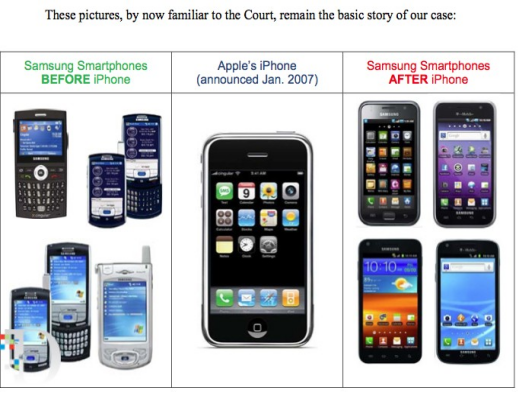
Apple şirkətini o hissədə haqlı hesab etmək olar ki, İphonenin bazara daxil olmasından sonra Samsung smartfonlarının görünüşündə “inqilab” baş vermiş, telefonların estetik dizaynı əvvəlki modellərlə müqayisədə daha təkmilləşdi. (Aşağıdakı şəkilə baxıb qərar verə bilərsiniz) Xüsusilə 7 ildən çox davam edən “patent müharibələri”ndə hər iki texnologiya nəhəngi qalib və məğub oldu.
Apple-in iddiası: İstehlakçı itkisi
Əsas iddialardan biri də oxşar smartfon istehsalının İphone istehlakçılarının azalması ilə bağlı olması idi. Lakin bunu sübut edə bilmədi. Məhkəmənin mövqeyi o oldu ki, həqiqətən də İphon-in dizaynı istehlakçının seçiminə təsir edir: lakin bu həlledici faktor deyil, araşdırmalar göstərdi ki, İphone alıcılarının çox cüzi hissəsi məhz dizayna görə İphonu seçirlər. Digər tərəfdən Applein patenti bütün məhsulu əhatə etmir.
Samsung Galaxy Tab 10.1 tabletin də mübahisəsində məhkəmə bazardakı mövcud durumu araşdırdı. Tablet istehsalında dominantlıq edən iki şirkətin: Apple və Samsungun mövcudluğu qəbul edildi. Xüsusilə tablet istehsalında Samsung lider şirkət olmuş, istehsalçılar Samsung tabletlərinə Apple tabletinə nisbətən üstünlük vermişdilər. İstehlakçı Samsungu tableti, Apple isə İphone ilə qəbul etmişdi.
Araşdırmanın nəticəsi nə oldu:
- Samsung “quick links”, “automatic word correction” funksiyalarını patent hüquq pozmaya yol vermişdi.
ABŞ Konstitusiya Məhkəməsinin qərarı necə oldu:
ABŞ dairə məhkəmələri Apple vs Samsung işində Samsungu təqsirli bilib onun təzminat ödəməsinə dair qərar vermişdilər. Apple şirkətinin iddiası Samsungun hüquq pozuntusuna yol verərək bütün telefonların satışından əldə olunan gəliri kompensasiya olaraq ödəməsini xahiş etmişdi.
Patent qanunu təkcə bütöv məhsulu deyil, onun hissələrini əhatə edəcək qədər genişdi. Samsungun ödəyəcəyi təzminat məbləği satılan smartfonlardan əldə olunan gəlirlərdən deyil, onun hissələrindən əldə olunan gəlirlərə şamil edilməlidir. Çox hissəli texnologiya məhsullarında patent hüquqpozuntusu konkret əşyaya münasibətdə yox, onun hissələrinə münasibətdə baş verir.
Nəticə: Samsung Almaniyada smartfonunun istehsalını və satışını dayandırmalı oldu.Çünki patent sahibinə məhsulun icazə alınmadan istehsal olunması və satışına qadağa qoymaq hüququ verir.
Patent wars: one smartphone – two designs, two patents
In this article, we will talk about the years-long litigation between two technology giants – Samsung and Apple – or rather, the “patent wars”.
Before moving on to the details of the dispute, let me note that mobile phones, ie smartphones, are subject to industrial design (according to the Patent Law of the Republic of Azerbaijan) and design patents (according to the US Patent Act). are protected.
What is the difference between an industrial design and a design patent? There are no significant differences in content. Both legal protections are conditional on the facility meeting the conditions of novelty and originality.
First of all, our law uses the concept of industrial design. Depending on the jurisdiction, for example, the United States provides legal protection for design patents. In essence, the two concepts are largely the same. According to the article of the Law of the Republic of Azerbaijan “On Patents”, an industrial design includes artistic and constructive solutions that determine the appearance of the product. An industrial design can be a picture or a model, or a combination of them. An industrial design that is new or original is legally protected.
Today, the industrial design has become an important tool in capturing the pulse of the consumer, and thus in the development of production and sales technology. In particular, small and medium-sized businesses are formed mainly through industrial patterns. Because large companies competing in the market insist on producing new products with superior and progressive design.
It is the world brands that have been fighting for the design of smartphones for years: Samsung and Apple. The dispute has been investigated in more than 7 countries, in different jurisdictions. The final decisions of the courts differ.
It is known that the products of both companies differ in their functionality. Apple insured itself by registering several design patents on smartphones, which led to a decision in its favor in the course of the dispute.
Given the importance of the external forms of smartphones, it is not difficult to imagine the compensation that Samsung will have to pay Apple. The design of the smartphones was based on the claim that it was copied by Samsung.
Now let’s look at the occasional controversy.
1.Almania-
An Apple spokesman said: “It’s more than money. Our employees worked day and night to create creativity. Apple is an example of innovation. ”
The industrial design focuses more on the external aesthetic appearance of the product, and the goal is to attract the attention of the manufacturer. The average consumer is looking for a different version of functionality and appearance in the new version of the iPhone or Samsung smartphone. Of course, not every new image is protected by a design patent.
Anglo-Saxon law distinguishes 4 types of patents. There are useful patents, plant patents (you can read about it in our blog post here) and design patents. A utility patent corresponds to an invention in our law, a design patent to an industrial design, and a plant patent to a patent for a selection achievement.
The years-long patent war between the two technology giants has resulted in a truce.
First, Apple filed a lawsuit against Samsung, then Samsung filed a counterclaim. As a result, the court concluded that both parties had violated the law.
Apple had 5 patents and Samsung had 2 patents in the dispute. Apple’s patents provided a user-friendly interface: automatic word correction, slide-to-unlock, universal search engine, quick link, background interface. was.
Samsung had patents for camera and folder functionality. He claimed that the video transmission, as well as the Face time application was stolen by Apple.
The jury in a lawsuit filed by Apple against Samsung in 2011 ruled that Samsung had infringed Apple’s design and utility patents, as well as actions that impaired the appearance of the smartphone’s trade dress.
-Trade dress
According to the Lanham Act, the court allowed Samsung to imitate the aesthetic appearance of Apple smartphones. In doing so, he made conscious efforts to reduce the value of the product. Trade dress is a set of elements that play a key role in the packaging and presentation of goods. Such a presentation determines the origin of the product, as well as supports competition.
But can the aesthetic appearance of a smartphone be considered a trade dress? The point is that a trademark protects the non-functionality of the form of presentation of the goods, if this presentation or packaging is related to functional or technical characteristics, patent protection may be possible.
In this case, the trade dress must be protected, as the exterior of Apple smartphones is non-functional. (review of dilution)
However, courts sometimes find it difficult to distinguish whether a trade dress is functional or non-functional. For example, road signs, cranes have functionality.
According to the final court decision, Samsung was found guilty of copying the rounded edges of the Apple smartphone and colored icons on the black screen.
Interestingly, the Federal District Court fined Samsung $ 399 million. Samsung demanded that the fine be calculated in relation to the copied parts, because the copied parts were the screen and icons. However, the court ruled that the mentioned parts of the smartphone are not sold to the consumer separately, these parts together form a single commodity, so the claim must be rejected.
Then what happened?
Although Samsung appealed to the US Court of Appeals regarding the nuance, it supported the position of the district court. How should the Article of manufacture provision apply to a smartphone? This concept applies to items that consist of different parts, but form a single whole. For example, in the design of the plate, it is quite simple and understandable. But does the smartphone also meet these criteria?
The Article of manufacture provision includes both the product and its parts in a broad sense.
Apple is right in the sense that after the introduction of the iPhone, there was a “revolution” in the appearance of Samsung smartphones, the aesthetic design of the phone was much better than previous models. Especially in the “patent wars” that lasted more than 7 years, both technology giants won and lost.
Apple’s claim: consumer loss
One of the main claims was that the production of similar smartphones was associated with a decrease in iPhone consumers. But he could not prove it. The court’s position was that the design of the iPhone really influences the consumer’s choice: but this is not a decisive factor, research has shown that a very small number of iPhone buyers choose the iPhone because of the design. On the other hand, Apple’s patent does not cover the entire product.
In the dispute over the Samsung Galaxy Tab 10.1 tablet, the court examined the current situation in the market. The existence of two companies that dominate the production of tablets: Apple and Samsung was accepted. In particular, Samsung was a leader in tablet production, with manufacturers preferring Samsung tablets to Apple tablets. The consumer received a Samsung tablet, and Apple with an iPhone.
What was the result of the study:
- Samsung has patented “quick links” and “automatic word correction” functions.
İstifadə olunmuş ədəbiyyat siyahısı
- Apple versus Samsung: How the Legal War Between the Two Tech Firms Resonates as a Clash of Technological Titans Robert K. McMullen Harold D. Buckingham School National American University
2.Apple Inc. v. Samsung Electronics Ltd. Inc. Selected Case Documents (C 12-630)
- SUPREME COURT OF THE UNITED STATES Syllabus SAMSUNG ELECTRONICS CO., LTD., ET AL. v. APPLE INC.
- https://www.supremecourt.gov/opinions/16pdf/15-777_7lho.pdf
- http://www.law.nyu.edu/sites/default/files/upload_documents/Apple%20v.%20Samsung%20%28edited%29.pdf
- https://www.scotusblog.com/wp-content/uploads/2016/01/Apple-v-Samsung.pdf
- l

 tutuip@law.blog