
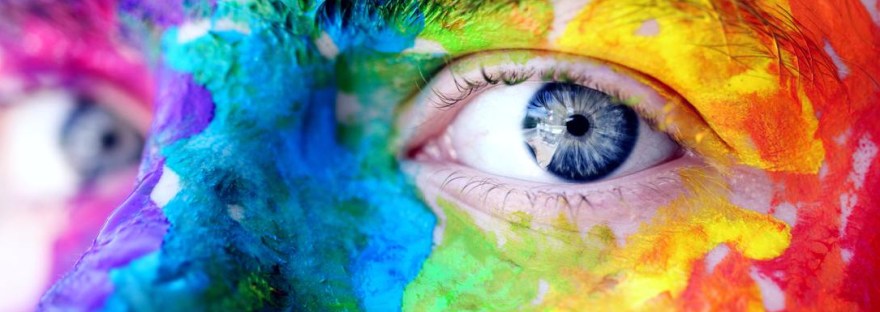

Bu bloq yazısını yazıçı Jonathan Mantlenin “Benetton” brendinə həsr etdiyi eyni adlı əsərdən – “Benetton”dan ilhamlanaraq rənglərə həsr etməyə qərar verdim. Bu yazımızda rənglərin sehrli dünyasına əqli mülkiyyət hüququ birlikdə səyahət edəcəyik.
Rənglərin həyatımızda psixoloji təsirlərinin olduğu danılmazdır. Bəs rəngləri Femidanın tərəzisinə qoysaq nə baş verər? Gəlin birgə aydınlaşdırmağa çalışaq.
“Əmtəə nişanları və coğrafi göstəricilər haqqında” AR-nın Qanununun 4-cü maddəsinə əsasən əmtəə nişanı kimi qeydə alına bilər: sözlər, şəxsi adlar, hərflər, rəqəmlər, təsviri elementlər, əmtəələrin forması və ya onların qablaşdırılması, rənglərin və yuxarıda göstərilənlərin hər hansı uzlaşması. Göründüyü kimi qanun bir rəngə münasibətdə deyil, rənglərin və digər elementlərin kombinasiyası halında hüquqi mühafizə imkanını nəzərdə tutur.
Amerikada aparılan araşdırma zamanı məlum olub ki, istehlakçıların 60%-i məhsulun məhz rənginə əsasən onu alıb-almamağa qərar verirlər. Bu nöqtədə rənglər marketinqdə əhəmiyyətli rol oynayaraq əmtəənin və ya xidmətin mühüm hissəsinə çevrilir. Bunu nəzərə alan istehsalçı korporasiyalar rəngləri əmtəə nişanı olaraq qeydiyyatdan keçirib onun üzərində müstəsna hüquqlar əldə edirlər. Ancaq….
Məsələ bu qədər asan deyil. Əmtəə nişanının məhz rəng olaraq qeydiyyatdan keçirilməsi o deməkdir ki, digər istehsalçılar həmin rəngdə başqa loqonu və dizaynı qeydiyyatda keçirə bilməyəcək. Bu xüsusda rənglər əmtəə nişanı ola biləcək digər obyektlərə münasibətdə daha spesifikdir. Çünki rənglər üzərində xüsusi mülkiyyət hüququ olmadığından rənglərin istifadəsi sərbəstdir. Əks təqdirdə rəng üzərində yaranan monopoliya digər istehsalçı şirkətlərin fəaliyyətinə ciddi maneə yaradardı.
Tək rəngin əmtəə nişanı olaraq qeydiyyatdan keçirilməsi və ya istifadəsi ayrı-ayrı ölkələrin qanunvericiliyində fərqli tənzimlənir. Bir qisim ölkələr tək bir rəngə qoruma verməkdən imtina etdiyi halda, digər ölkələrdə bu tipli qorunma mümkündür. Bəs hansı hallarda rəngi əmtəə nişanı olaraq qeydiyyatdan keçirmək və istifadəsilə bağlı müstəsna hüquqlar yarana bilər?
Əmtəə nişanı ilk növbədə “ayırd edicilik” (distinctivness) xüsusiyyətinə malik olmalıdır. Woolworths v BP işində BP şirkəti yanacaq doldurma məntəqələrinin bəzəkli talvarında yaşıl rəngini qeydiyyatı üçün müraciət etmişdi. Woolworths şirkəti isə qırmızı, yaşıl və ağ rəngdən ibarət nişanı yanacaq doldurma məntəqəsinin dizaynında istifadə etmişdi. Məhkəmə qərarına əsasən BP şirkətinin iddiası rədd edildi, çünki sadəcə yaşıl rəng istehlakçıda əmtəə ilə bağlı təsəvvür formalaşdıracaq xüsusiyyətə malik deyildi.

Rəngin ayırd edicilik xüsusiyyəti rəngin digər forma və rənglərlə kombinasiyasında özünü göstərir. Kraft Jacobs Suchard vs. Chocolates Bariloche S.A işində təkcə bənövşəyi rəngə qeydiyyat verilməsindən istifadə olundu. Məhsulun sadəcə yasəmən (bənövşəyi) rəngindən ibarət olması faktı əmtəənin “ayırd edicilik” xüsusiyyətini əhəmiyyətli dərəcədə azaldır. Çünki əmtəədən gözlənti orijinal formadır.
2D və 3D formalı fiqurlarda rəng onun bir elementi olmalıdı. “Pfizer, Inc. vs. Microsules Y Bernabé S.A.” (Argentina) işində məhkəmə 3D əmtəənin orijinallığının həbin (tablet) romb forması ilə mavi rəngin sintezində ifadə olunduğu qeyd edildi.
Rəng əmtəə ilə bağlı “ikincil məna” (secondary meaning) qazanmalıdır. Yəni rəng bilavasitə məhsulun tanınmasında mühüm rol oynamalıdır necə ki, Lipton Yellow Label adı çəkiləndə təsəvvürümüzdə ilk canlanan sarı rəngli çay qutusu olur.
Rəng əmtəənin funksionallığını əks etdirməməlidir. Ambrit v Kraft işində (ABŞ) mavi rəngin dondurulmuş desertin qablaşdırılmasında istifadəsi faktı qeydiyyatdan imtina üçün əsas oldu. Çünki mavi rəng özlüyündə “soyuq”, ”sərinlik” simvolu olduğundan “təklif edici” (suggestive) xarakter daşıyır. Mavi rəngin seçilməsi desertin sərinləşdirici funksiyasını bir növ tamamlayırdı.
Bilirdinizmi? – Pantone, RAL or Focoltone sistemlər rənglərin beynəlxalq klassifikasiya siyahısını təqdim edir. ABŞ-da sırf əmtəə nişanı olaraq qeydiyyatdan keçirilmə zamanı bu məqsədlə yaradılmış sistem rənglər kombinasiyasının əvvəllər istifadə olunub-olunmadığını yoxlamağa imkan verir.
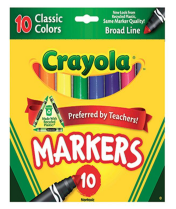
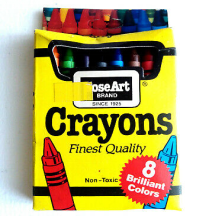
Bəzən eyni rəngin fərqli çalarları əmtəələrin bir-birilə qarışdırılmasına səbəb ola bilər. Ancaq bu zaman son sözü rəngin digər elementlərlə olan uzlaşması deyir. Binney & Smith v. Rose Art Industries işində iddiaçı yaşıl və sarı rəng kombinasiyalı karandaş qutusunu, Rose Art Industries şirkəti isə parlaq sarı rəngdə qutunu qeydiyyatdan keçirmişdi. Son qərar o oldu ki, karandaş qutularında sarı rəngin çalarları bir-birindən fərqləndiyindən məhsulların qarışdırılma ehtimalı yoxdur.
Teomanın mahnısında dediyi “Hata yapdım, karıştırdım tüm rengleri” ifadəsi əqli mülkiyyət hüququnda heç də xəta olaraq deyil, əksinə orijinallığı ifadə edərək effektiv qorunmanı təmin edir. Yazının əvvəlində adını çəkdiyimiz “Benetton” brendi məhz bu strategiya: “United of colors” ilə bazarda öz sözünü deyib və yaddaşımıza həkk olunub.
Yazımı aşağıdakı düsturla tamamlamaq istəyirəm:
Forma+rəng=spesifik kombinasiya
İstifadə olunmuş mənbələr:
- Single color marks- Intellectual Property Owners Association//https://ipo.org/wp-content/uploads/2013/03/Singlecolormarkssurvey.pdf
- Explanatory notes on the official application form mm2 application for international registration governed exclusively by the madrid protocol (rule 9 of the common regulations)-: http://www.wipo.int
- Woolworths limited v bp p.l.c. [2013] atmo 61
- Single color as a trademark in several jurisdiction (USA, Indonesia, UK) -Cindy Kurniawan//https://www.academia.edu/14657167/Single_Color_As_A_Trademark_In_Several_Jurisdiction_United_States_of_America_Indonesia_and_United_Kingdom_
I mixed all the colours…
I decided to dedicate this blog post to colours, inspired by Jonathan Mantle’s work of the same name, Benetton, dedicated to the Benetton brand. In this article, we will travel together to the magical world of colours, intellectual property rights.
There is no denying that colours have a psychological effect on our lives. But what happens if we put the colours on Femida’s scales? Let’s try to clarify together.
According to Article 4 of the Law of the Republic of Azerbaijan on Trademarks and Geographical Indications, it can be registered as a trademark: words, personal names, letters, numbers, descriptive elements, shape or packaging of goods, any combination of colours and the above. Such a law does not provide for legal protection in the case of a combination of colours and other elements, but concerning a single colour.
A study conducted in the United States found that 60% of consumers decide whether to buy a product based on its colour. At this point, colours play an important role in marketing and become an important part of a product or service. Taking this into account, manufacturing corporations register colours as a trademark and acquire exclusive rights over them. But….
The issue is not so easy. Registration of a trademark as a colour means that other manufacturers will not be able to register another logo and design in the same colour. In this case, colours are more specific than other objects that can be a trademark. Because there is no private property right over colours, the use of colours is free. Otherwise, the monopoly on color would seriously hinder the activities of other manufacturing companies.
The registration or use of a single color as a trademark is regulated differently in the legislation of different countries. While some countries refuse to grant protection to a single color, this type of protection is possible in other countries. But in what cases can there be exclusive rights to register and use color as a trademark?
A trademark must first have the distinctiveness. In Woolworths v BP, BP applied to register the green color on the decorated pavilion of gas stations. Woolworths used a red, green and white sign in the design of the gas station. The court rejected BP’s claim because the green color alone did not have the property of forming a consumer image of the product.
The distinguishing feature of color is manifested in the combination of color with other shapes and colors. Kraft Jacobs Suchard Vs. In the case of Chocolates Bariloche S.A., only purple registration was used. The fact that the product consists only of lilac (purple) color significantly reduces the “distinguishing” feature of the product. Because the expectation from the commodity is the original form.
In 2D and 3D figures, color should be an element of it. “Pfizer, Inc. vs. Microsules Y Bernabé S.A. ” (Argentina) in the case of the court noted that the originality of the 3D product is expressed in the synthesis of the blue color with the rhombus shape of the pill.
Color must acquire a “secondary meaning” in relation to the commodity. That is, color should play an important role in the direct recognition of the product, just as the Lipton Yellow Label is the first yellow tea box that comes to mind.
The color should not reflect the functionality of the product. The use of blue in the packaging of frozen desserts in the case of Ambrit v Kraft (USA) was the basis for refusal of registration. Because blue is a symbol of “cold” and “coolness”, it has a “suggestive” character. The choice of blue color complemented the refreshing function of the dessert.
Did you know? – Pantone, RAL or Focoltone systems provide a list of international classifications of colors.
Sometimes different shades of the same color can cause the goods to mix with each other. But in this case, the last word is the harmony of color with other elements. Binney & Smith v. In the case of Rose Art Industries, the bidder registered a box of pencils in a combination of green and yellow, and Rose Art Industries registered a box in bright yellow. The final decision was that the products are unlikely to be mixed, as the shades of yellow in the pencil boxes differ from each other.
The phrase “I made a mistake, I mixed all the colors” in Theoma’s song is not a mistake in the right to intellectual property, but provides effective protection by expressing originality. The Benetton brand, mentioned at the beginning of this article, has made its mark in the market with this strategy: United of colors and is engraved in our memory.
I want to complete my writing with the following formula:
Shape + color = specific combination

 tutuip@law.blog