
2000-ci illərin nəsillərinə üzərində Nazpəri Dostəliyevanın şəkli olan şokolad qutuları yəqin ki, tanışdır. İllər sonra bu şokoladlardan yemiş bir nəslin nümayəndəsi kimi bu mövzu ilə əlaqədar araşdırma aparıb bloq yazısı yazmaq məndə nostalji hisləri yenidən oyandırdı… Bu dəfə tanınmaq hüququndan danışacağıq. Keçək mövzuya.
Tanınmaq hüququnun tarixi elə də uzaq keçmişə dayanmasa da, son dövrlərdə məşhurların aktiv istifadə etdiyi hüquqlardan biridir. İngilis dilində “celebrity rights” (məşhurların hüquqları), “publicity rights”, ”merchandising rights” olaraq tanımlanır. Tanınmaq hüququ bizə imkan verir ki, ad, səs, sifət, imza və digər fərdi keyfiyyətlərimizdən kommersiya məqsədilə istifadə olunmasına icazə verək və ya bunu qadağan edək.
Tanınmaq hüququ əqli mülkiyyət hüququnun müxtəlif sahələrində özünü göstərir: şəxsin əsərin və ixtiranın müəlllifi olaraq tanınması, adından domen ünvanı kimi istifadəni, əmtəənin və xidmətin satışını sürətləndirmək məqsədilə istifadəni və s. Bu hüquq qeyri-əmlak (şəxsi) xarakterli olsa da, sahibinə fayda qazandıra, eyni zamanda yalnış istifadəsi nüfuzuna xələl də gətirə bilər. “Adımız bizdən çox yaşayır” desək yanılmarıq.
Tanınmaq hüququ əsasən tanınmış simalara: müğənni, aktyor, model, siyasətçi, idmançılara daha çox şamil edilsə də, bu bizim hər birimizə məxsus olan toxunulmazlıq hüququnun tərkib hissəsidir. Təsəvvür edin ki, sizin şəkliniz çəkilir, daha sonra məhsulun qablaşdırılması zamanı istifadə olunur. Bənzər hadisə Alyonka şokolad işində təkrarlandı.

Rusiyanın məşhur Krasny Oktyabr şirkəti Elena Gerinası kiçik “model” olaraq çəkilişə dəvət etdi. Lakin onun valideynlərilə hər hansı müqavilə bağlanmadı və şəklindən istifadə üçün qonorar ödənilmədi. İllər sonra 36 yaşındakı Gerinas Krasny Oktyabr şirkətinə qarşı iddia qaldıraraq şirkəti məhkəməyə vermək qərarına gəldi. Gerinas şirkətə qarşı fotoşəklindən istifadə üçün 5 milyon rubl məbləğində təzminat tələb etsə də, buna müvəffəq ola bilmədi.
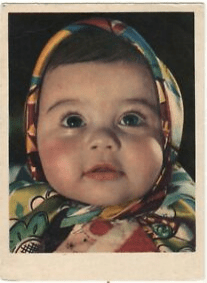
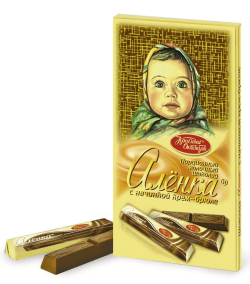
Məhkəmə araşdırması zamanı onun uşaqlıq şəklinə oxşar 18 fotoşəkil tapıldı. Məhkəmə orijinal fotoşəkildə edilən dəyişiklikləri sərbəst istifadə (transformative fair use) olaraq qiymətləndirdi. Gerinasın sözlərinə görə, “Bir az solsa da, hələ də o kiçik baş örtüyüm var. Alenkaya yaxından baxın, onun yaylığının düyünü özünəməxsus şəkildə bağlanır, çünki anam solaxay idi. Bu detal məhkəmənin nəzərindən qaçmadı, lakin sübut olaraq qəbul edilmədi. ”
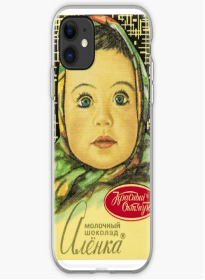
Fikrimizcə, məhkəmənin qərarı “kiçik” modelin pozulmuş tanınmaq hüququnu tanımaması onun bu hüququnun sonrakı pozulması üçün də şərait yaratdı. Çünki bazarda bu ad altında nəinki şokoladlar istehsal olunur, hətta telefon örtükləri belə satışa çıxarılıb.
Tanınmaq hüququ insan hüquqlarının fövqündə dayanaraq şəxsiyyət amilini qabardır və bizim fərdi keyfiyyətlərimizi “pula satılmaq”dan qoruyur.
Bu hüquqlar vərəsəlik qaydasında ötürülə bilməyən (lakin vərəsələr tərəfindən müdafiə edilə bilən) şəxsi hüquqlardır. Qanunən müddətsiz qorunur. AR-nın qanunvericiliyində bilavasitə tanınma hüququ müəlliflik və patent hüquq sahiblərinə aid edilir. Dünya praktikasında isə konkret qorunma müddəti yoxdur: ABŞ ştatlarında bu hüquq şəxsin ölümündən sonrakı 10-100 il müddəti də əhatə edir. Çünki məşhurların ölümündən sonra onların mülkiyyət hüquqları artmaqda davam edir: Michael Jackson, Elvis Presleyin ölümündən sonra onun musiqi albomları daha çox satılmağa başladı və bu indi də davam edir.
Əlavə məlumat üçün: Xüsusilə paltar etiketlərinin üzərində və malın qablaşdırmasında gördüyümüz hər insan şəkli real insan deyil. Bu şəkillər xüsusi proqram vasitəsilə yüzlərlə şəklin müxtəlif hissələrinin kombinasiyasından yaradılır: A şəxsindən burun, B şəxsindən gözlər, C şəxsindən saçlar və s. Bu halda tanınma hüququnun konkret hissəyə münasibətdə (saç, burun,göz) aid edilməsi sual doğuran məqamlardandır. Fikrimizcə, bu zaman tanınma hüququ istisna ediləcək: çünki bu hüquq bilavasitə bizi biz edən xarici görünüş detallarını əhatə edir və sanki bizim obrazımızı yaradır. Sadəcə A şəxsinin gözündən istifadə etməklə komputer şəkli yaradılırsa, bu de-minimis ( çox kiçik, əhəmiyyətsiz) xarakter daşıyır.
Modern texnologiya (FaceApp, FakeApp kimi proqramlar) artıq sərhədləri aşaraq yaşamayan bir insan modelini çoxdan yarada bilib. Sonda, nə vaxtsa özünüzün yaşlanmış versiyazınızı hər hansı reklam çarxında görsəniz, təəccüblənməyin, çünki FaceApp lisenziyasına razılıq verməklə bu hüququ çoxdan FaceAppə verdiniz belə.
Mənbələr:
1.PUBLICITY RIGHTS IN THE U.K. AND THE U.S.A.: IT IS TIME FOR THE UNITED KINGDOM TO FOLLOW AMERICA’S LEAD Jonathon Schlegelmilch,GONZAGA LAW REVIEW ONLINE Vol. 1, 2016
2.
FaceApp’s Dangers Are Just The Beginning, Here’s What’s …
http://www.forbes.com/sites/davidphelan/2019/07/22/viral-app-faceapp-the-dangers-of-faceapp-are-just-the-beginning-heres-whats-coming-next/
3.
Soviet Yum-Yum: Russia’s Red October Chocolate Factory | Urbanist
weburbanist.com › 2011/04/24 › soviet-yum-yum-russia
Let’s recognize our right to be recognized!
Chocolate boxes with a picture of Nazpari Dostaliyeva on them are probably familiar to the generations of the 2000s. Years later, as a member of a generation that ate these chocolates, researching and blogging on the subject revived my nostalgia… This time we will talk about the right to be recognized. Let’s move on.
Although the history of the right to recognition is not so long ago, it is one of the rights actively used by celebrities in recent times. In English, it is defined as “celebrity rights”, “publicity rights”, “merchandising rights”. The right to recognition allows us to allow or prohibit the commercial use of our name, voice, face, signature and other personal qualities.
The right of recognition manifests itself in various areas of intellectual property law: the recognition of a person as the author of a work or invention, the use of the name as a domain address, the use of it to accelerate the sale of goods and services, etc. Although this right is non-property (personal) in nature, it can benefit the owner, as well as damage the reputation of misuse. We are not mistaken in saying that our name lives longer than ours.
Although the right to recognition extends mainly to celebrities: singers, actors, models, politicians, athletes, it is an integral part of the right to immunity, which belongs to each of us. Imagine that you are photographed and then used to pack the product. A similar incident was repeated in the case of Alyonka chocolate.
The famous Russian company Krasny Oktyabr invited Elena Gerina to shoot as a small “model”. However, no contract was signed with his parents and no royalties were paid for the use of his form. Years later, 36-year-old Gerinas Krasny Oktyabr decided to sue the company. Although Gerinas demanded 5 million rubles in compensation for using the photo against the company, he was unable to do so.
During the trial, 18 photographs resembling his childhood were found. The court assessed the changes to the original photograph as transformative fair use. According to Gerinas, “Although a little left, I still have that little head covering. Take a closer look at Alenka, the knot of her scarf is tied in a special way, because my mother was left-handed. This detail did not escape the court’s attention, but was not accepted as evidence. ”
In our opinion, the court’s decision not to recognize the violated right of the “minor” model created conditions for its further violation. Because not only chocolates are produced in the market under this name, but even phone covers are sold.
The right to recognition, above human rights, emphasizes the personality factor and protects our individual qualities from being sold for money.
These rights are personal rights that cannot be inherited (but can be protected by the heirs). Legally protected indefinitely. In the legislation of the Republic of Azerbaijan, the right of direct recognition belongs to the owners of copyright and patent rights. In world practice, there is no specific term of protection: in the United States, this law covers a period of 10-100 years after the death of a person. Because after the death of celebrities, their property rights continue to grow: Michael Jackson, after the death of Elvis Presley, his music albums began to sell more, and this continues today.
For more information: Not every image of a person we see, especially on clothing labels and on the packaging of goods, is a real person. These images are created from a combination of hundreds of different parts of the image through a special program: nose from person A, eyes from person B, hair from person C, and so on. In this case, it is questionable whether the right of recognition belongs to a specific part (hair, nose, eyes). In our opinion, the right of recognition will be excluded in this case: because this right directly covers the details of our appearance and creates our image. If a computer image is created using only the eyes of person A, it is de-minimis (very small, insignificant).
Modern technology (applications such as FaceApp, FakeApp) has long been able to create a human model that does not live beyond borders. Lastly, don’t be surprised if you ever see your aging version in any commercial, as you have already given FaceApp this right by agreeing to the FaceApp license.

 tutuip@law.blog