
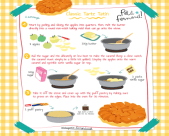
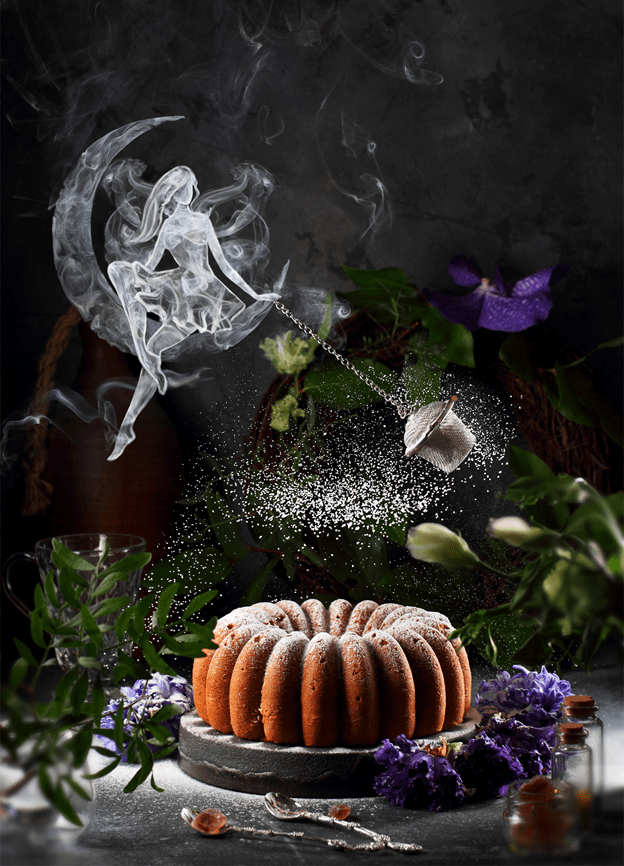
İlk baxışdan bu başlığı məqaləmə seçməyim sizə təəccüblü gələ bilər, çünki bloqumun əsas məqsədi hüquqla insan yaradıcılığının kəsişdiyi nöqtədə hüquqi tənzimləmənin hansı formada aparılacağını araşdırmaqdır. Daha dəqiq desəm, əqli mülkiyyət hüququ aspektindən. Əksəriyyətimiz ən azı bir dəfə bu ifadəni eşitmişik: “İlk dəfə bu yeməyi mən hazırlamışam və ya yeməyin ideya müəllifi mənəm.” Kifayət qədər iddialı səslənən bu cümlələrin altında hansı gerçəklik yatır? Həqiqətənmi yemək bir “kəşf” ola bilərmi? Onun yaradıcısına hansısa hüquqlar verilə bilərmi? Məqalənin əsas mətninə keçməzdən öncə qeyd edim ki, bu yazıda yemək reseptlərini məhz müəlliflik hüququ aspektindən nəzərdən keçirmişəm.
Etiraf edək ki, günümüzdə yemək artıq insanların qidaya olan tələbatından daha çox, zövq məsələsinə çevrilib. Yeməklər bir növ “şəxsin sənətkarlıq qabiliyyətini nümayiş etdirməyə imkan verən obyekt”ə çevirilib. Gözümüzü və könlümüzü xoş edən bu yeməklərə hüquq biganədirmi? Əlbəttə ki yox.
Resept nədir? Marrian Webster lüğətinin verdiyi anlayışa görə “resept – yemək və içkinin hazırlanması və bişirilməsi üçün : inqredientlərin siyahısı və onların hazırlanması üçün izlənilməli olan prosedurların ifadəsi”dir. Bu anlayış resepti formula olaraq qiymətləndirir.
Lüğətin verdiyi anlayış doktrinadakı görüşləri özündə ehtiva etmir, çünki mövcud yanaşmalar resepti həm müəlliflik hüququnun obyekti, həm də müəlliflik hüququna qoyulan limit olaraq qiymətləndirir.
- Birinci halda resept əsər olaraq qəbul edilir, ancaq onun ədəbi əsər yoxsa tətbiqi sənət əsəri olması mübahisə doğurur. Problem reseptin orijinallığında və reseptdə yaradıcılığın ifadə olunmasında çıxır. Hegel deyirdi ki “Yaradıcılıq məkanında hüquq sərhəd qoymağa qadir deyil”. Doğrudur, hüquq bu yaradıcılığa baryer qoymur, amma yaradıcılığı qoruyurmu? Müəlliflik hüququ yaradıcılıq nəticələrini qoruyur. Yaradıcılıq – sərbəstlik, azadlıq deməkdir: müəlliflik hüququ azadlığın nəticələrini qoruyur. Bəs yemək reseptlərinə münasibətdə bu şərt ödənirmi?
Fikrimizcə, reseptin yazılı surətdə təqdim olunması resepti o ədəbi əsər olaraq qəbul etməyə imkan verir, bu zaman reseptin inqredientləri ilə yanaşı, onların çəkisi, həcmi nisbətləri və hazırlanma texnologiyasına aid göstərişlər verilməlidir. Lakin biz bilirik ki, müəlliflik hüququ orijinal, ifadə formasına malik, bədii(ədəbi), incəsənət, dram əsərlərini qoruyur. Əgər resept sadəcə inqredientlər və onların miqdarını özündə əks etdirirsə, məsələn 1 çay qaşığı şəkər, 1 yemək qaşığı duz, 200 qr yağ və s. bu resptinizin hələ orijinal olması anlamına gəlmir. Bu sadəcə faktların məcmusudur. Problem o zaman meydana gəlir ki, kulinariya obyektinin əsl dəyəri yaradıcılıq və improvizasiya zəif nəzərə alınmır və rəqiblər qorunan reseptə istinad etmədən kulinariya obyektini təkrarlaya bilərlər.
“Müəlliflik hüququ və əlaqəli hüquqlar haqqında” AR-nın Qanununun 4-cü maddəsinə əsasən tətbiqi sənət əsəri ”əllə və ya sənaye üsulu ilə yaradılmış və praktik istifadə funksiyaları olan, yaxud praktik istifadə əşyalarına köçürülən incəsənət əsəri”dir. Hesab edirik ki, birinci halda reseptin məzmunu, ikinci halda isə məzmunun praktik ifadəsi əsərə çevrilir. ABŞ, Böyük Britaniya, Fransada yüksək kulinariya nümunələri “peşəkar sənətçinin məmulatı” olaraq qəbul edilir.
İkinci yanaşma odur ki, yemək reseptləri ümumiyyətlə müəlliflik hüququna olan məhdudiyyət olaraq qəbul edilir, bu zaman hər hansı hüquqi qorunmadan söhbət gedə bilməz. Doktrina resepti:
- “Faydalı əşya” (useful article)
- Metod, proses, funksional istiqamət, təlimat olaraq qəbul edir
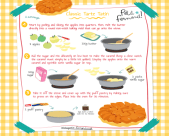
Publications Intern. Ltd. v. Meredith Corp. (1996) işində məşhur Danone Yoghurt reseptlərinin istifadəsinin müəlliflik hüququnu pozduğu iddia edilirdi. ABŞ Məhkəməsi qərara gəldi ki, “Resept metoddur və hər hansı metodun istifadəsinə monopoliya qoyula bilməz. İnqredientin müəyyən olunması hər bir yeməyin hazırlanması üçün vacib mərhələ kimi faktların ifadəsidir. Burada müəlliflik hüququ ilə qorunmaya layiq ifadəli element yoxdur. Reseptlər konkret nəticəyə yönəlik funksional istiqamətlərdir və buna görə də müəlliflik hüququ ilə qorunması istisna edilir”.
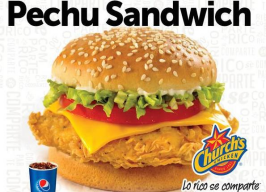
ABŞ Məhkəməsinin 2015-ci tarixli qərarında Pechu Sandwich reseptini “Müəyyən nəticəyə gəlməni təmin edən təlimat” olaraq qiymətləndirdi və resepti müəlliflik hüququnun obyekti olmadığı qərarına gəldi.
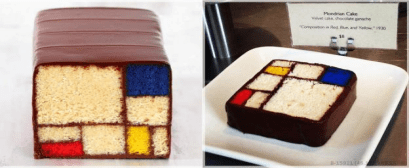
Müəlliflik hüququ faktları ümumiyyətlə, müəlliflik hüquq mühafizəsindən məhrum etmir: faktların məcmusu öz əksini yaradıcı formada tapsa, məsələn toplu və ya ensiklopediya formasında, müəlliflik hüququ ilə qorunacaq. ABŞ Müəlliflik Hüququ Ofisi qeyd edir ki, “Müəlliflik hüququ sadəcə inqredientlərdən ibarət reseptləri qorumur. Reseptin qorunması o halda mümkün ola bilər ki, resept illustrasiya , şəkillə müşayiət olunsun və aşpazlıq kitabında əks olunsun”. Bu yanaşmanı yemək reseptlərinə tətbiq etsək, deyə bilərik, resept yüksək səviyyədə yaradıcı dizaynla müşayiət olunsun. Həm də bu yaradıcılıq özünü fiziki və konseptual olaraq göstərsin. Məsələn, Mondrian kekində olduğu kimi.
Nə etməli?
“Bir çimdik yaradıcılıq əlavə et”
Orijinallıq müəlliflik hüququnun olmazsa olmazıdır, başqa sözlə “sine qua non of copyright”. Yemək reseptlərində orijinallıq bəzən ifadəli işlənmə (expressive elobarition) adlanır. Yəni sən sus, qoy hazırladığın yemək danışsın.
- Öz üsulunuzla möhrünüzü vurun! – Resepti özününküləşdirin: burda söhbət başqa şəxsin hazırladığı yeməyin reseptini öz adına çıxmaq yox, məhz özünəməxsus yolla təqdimat nəzərdə tutulur. Məsələn, siz dietik pizza reseptini məhz aşağıdakı formada təqdim edirsiniz:
Yemək istəsən sən pizza,
Götür əlinə bir tava .
Əvvəl gül kələmi doğra,
Qoy onu qaynamağa.
1 qaşıq pul bibərlə,
Qarışdırıb tez bişir.
Azca pendir rəndələ,
Zeytun, göbələk zövqə görə.
Artıq hazırdır pizza
Nuş olsun hamınıza!
(“Şeir”in müəllifi: Türkan Kərimova, 02.04.2021)

Və ya “pizzanı üstü qızarana qədər bişirin” demək əvəzinə “ətri evi bürüyənə qədər bişirin” cümləsindən istifadə edə bilərsiniz.
- Resepti ictimaiyyətə təqdim etdiyiniz təqdirdə “adapted from”- uyğunlaşdırılıb, (götürdüyünüz resept üzərində kiçik düzəlişlərin edildiyi) və ya “inspired by” -ilhamlanıb (götürdüyünüz resept üzərində xeyli düzəlişlər edildiyi anlamına gəlir) sözlərini qeyd etməklə özünüzü sığortlamış olursunuz.
- Əksər aşpazlar hesab edir ki, reseptdə 3 əsas inqredienti dəyişdirməklə yeni resept yaratmış olursunuz.
- QEYD: Reseptin adını qoruya bilərikmi? Qeyd edək ki, müəlliflik hüququ qısa ifadələri, sloqanları, başlıqları qorumur.
- Bəzi şef-aşpazlar bu qənaətdədirlər ki, yemək hamı ilə paylaşılmalı olan obyektdir. Əgər aşpaz onun yaratdığı reseptdən başqa şəxslərin də istifadə etməsinə razılıq vermək istəsə, “creative common license” (ümumi lisenziya) verir. Bu yolla o, resepti birbaşa ictimaiyyətin istifadəsi üçün açıq edir.
- Əgər yemək reseptini hər hansı kitabda çap etdirsəniz, reseptiniz müəlliflik hüququ ilə qoruna bilər. Bu o deməkdir ki, kulinariya kitabında olan reseptləri çap etdirməklə siz onları ictimaiyyətin istifadəsinə vermiş olursunuz. Müəlliflik hüququnun konkret resept üzərində deyil, kitaba münasibətdə yaranacaq.
- Əgər reseptinizi təlimat olaraq hər hansı məhsulun üzərində çap etdirsəniz, təəssüf ki, reseptiniz müəlliflik hüququ ilə qorunmayacaq. Fargo Mercantile Co. v. Brechet & Richter Co., 295 F. 823 (8th Cir. 1924) işində məhkəmə qərara gəldi ki, meyvə şirəsinin etiketindəki resept faydalı məqsədə xidmət edir: istifadəçini təlimatlandırır və qorunmadan məhrumdur.
Nəticə
Reseptin məzmunu birbaşa müəlliflik hüquq qorunması ilə təmin olunmur. Kulinariya kitabında əks olunan reseptin özü qorunmur, amma kitab formasında ifadə olunduğu üçün müəlliflik hüququ ilə qorunur. Sanki bu durumda forman məzmuna meydan oxuyur. Bu yanaşma ilk baxışda “orijinallıq” meyarına zidd səslənə bilər. Məsələ bundadır ki, son dövrlərin “orijinallıq” yanaşması məzmundan daha çox “təqdimat formasının” orijinallığını nəzərdə tutur. Məsələn, ensiklopediyaların tərkibində olan məlumatlar faktlardır, amma yaradıcı düzülüşünə görə müəlliflik hüququ onu ağuşuna alıb qoruyur. Çünki müəlliflik hüququ “incə sənəti” sevir.
Sonda, müəlliflik hüququ kompromislər məcmusudur. Fransa Milli Assambleyasının üzvü olmuş Le Şatelyenin fikrincə: “Mülkiyyət sırasında ən müqəddəsi, ən fərdisi – yaradıcılıqdır, yaradıcı fikrin bəhrəsidir. Bu fikri “Kraliça Annanın Statutu”ilə tamamlayıb demək istəyirəm ki: Yaradıcılıq ümumi məqsədlərə xidmət etməli və cəmiyyət bundan faydalanmalıdı: Hüquqi təminat (reseptlərin hüquqi qorunması), azadlıq (resept sahibinin alın təri) və cəmiyyətin mənafeyi (reseptin ictimai istifadəsi) triadasını unutmamaq şərtilə.
İstifadə edilmiş mənbələr:
1.Kamran İmanov -ənənəvi mədəni nümunələr və biliklər əqli mülkiyyət kimi: Erməni plagiatçılığı –
2.Kamran İmanov “Əqli mülkiyyət və şəxsi qeyri-əmlak hüquqları” –
http://copat.gov.az/nav/nsrlr-v-prezentasiyalar
3.Intellectual Property Protection for Recipes-By C. Bailey King, Jr. and Bridget V. Warren, July 2019
4.Australian Copyright Council Information Sheet Recipes: legal protection,October 2019
“I AM THE AUTHOR OF THIS MEAL!”
At first glance, choosing this title for an article may surprise you, because the main purpose of my blog is to investigate the form of legal regulation at the intersection of law and human creativity. To be more precise, from the point of view of intellectual property rights. Most of us have heard the phrase at least once: “I made this dish for the first time, or I’m the author of the idea for the dish.” What is the reality behind these pretentious statements? Can eating really be a “discovery”? Can any rights be given to its creator? Before moving on to the main text of the article, let me note that in this article I have reviewed the recipes from the point of view of copyright.
Admittedly, eating today is more a matter of taste than a matter of food. Food has become a kind of “object that allows you to demonstrate a person’s artistic ability.” Is the law indifferent to these foods that please our eyes and hearts? Of course not.
What is the recipe? According to Marrian Webster’s dictionary, a “recipe is for the preparation and cooking of food and drink: a list of ingredients and an expression of the procedures to be followed for their preparation.” This concept evaluates the recipe as a formula.
The definition given in the dictionary does not include the views in the doctrine, because the recipe of the existing approaches assesses both the object of copyright and the limit imposed on copyright.
In the first case, the recipe is considered a work of art, but it is debatable whether it is a literary work or a work of applied art. The problem lies in the originality of the recipe and the expression of creativity in the recipe. Hegel said, “In the creative space, law cannot set boundaries.” It is true that the law does not impede this creativity, but does it protect creativity? Copyright protects creative results. Creativity means freedom, liberty: copyright protects the consequences of freedom. Is this condition met in the case of recipes?
In our opinion, the submission of the recipe in writing allows the recipe to be accepted as a literary work, in which, along with the ingredients of the recipe, their weight, volume ratios and instructions on the technology of preparation should be given. However, we know that copyright protects original, expressive, artistic (literary), art, drama works. If the recipe contains only the ingredients and their amount, for example, 1 teaspoon of sugar, 1 teaspoon of salt, 200 grams of butter, etc. This does not mean that your recipe is still original. This is just a set of facts. The problem arises when the true value of a culinary object is not taken into account in terms of creativity and improvisation, and competitors can replicate the culinary object without referring to a protected recipe.
According to Article 4 of the Law of the Republic of Azerbaijan on Copyright and Related Rights, a “work of applied art” is a work of art created by hand or industrially and having the functions of practical use or transferred to objects of practical use. We believe that in the first case, the content of the recipe, and in the second case, the practical expression of the content becomes a work. In the United States, Great Britain, and France, high-quality culinary samples are considered “products of a professional artist.”
The second approach is that recipes are generally perceived as a restriction on copyright, without any legal protection. Doctrine recipes
“Useful article” (useful article)
Accepts as a method, process, functional direction, instruction
Publications Intern. Ltd. v. In the case of Meredith Corp., (1996), the use of the famous Danone Yoghurt recipes violated copyright. The US Court ruled that “Prescription is a method and the use of any method cannot be monopolized. Determining the ingredient is an expression of the facts as an important step in the preparation of each dish. There is no expressive element that deserves copyright protection. Recipes are functional areas for a specific result, and therefore copyright protection is excluded. ”
In a 2015 U.S. Court decision, Pechu Sandwich described the prescription as a “guideline that ensures a certain conclusion” and excluded the prescription from being the subject of copyright.
Copyright facts generally do not deprive copyright protection: if a set of facts is reflected in a creative form, for example in the form of a collection or encyclopedia, it will be protected by copyright. The US Copyright Office notes, “Copyright does not simply protect recipes that contain ingredients. Preservation of the recipe is possible only if the recipe is accompanied by an illustration, picture and reflected in the cookbook. If we apply this approach to recipes, we can say that the recipe is accompanied by a high level of creative design. And let this creativity manifest itself physically and conceptually. For example, as in Mondrian cake.
What to do?
“Add a pinch of creativity”
Originality is an essential part of copyright, in other words Sine qua non of copyright. Originality in recipes is sometimes called expressive elobarization. That is, you shut up, let the food you prepare speak.
Stamp your own way! – Make the recipe your own: the point here is not to name the recipe of the dish prepared by another person, but to present it in a unique way. For example, you present a diet pizza recipe in the following form:
If you want to eat pizza,
Take a frying pan in your hands.
First chop the cauliflower,
Let it boil.
1 tablespoon money pepper,
Stir and cook quickly.
Grate a little cheese,
Olives, mushrooms to taste.
The pizza is ready
Good luck to you all!
(Author of “Poem”: Turkan Karimova, 02.04.2021)
Or, instead of saying, “Cook the pizza until golden brown,” you can use the phrase “Cook until the aroma covers the house.”
If you present the recipe to the public, you insure yourself by saying the words “adapted from” (with minor adjustments to the recipe) or “inspired by”.
Most chefs believe that you can create a new recipe by changing the 3 main ingredients in the recipe.
NOTE: Can we protect the name of the recipe? Note that copyright does not protect short phrases, slogans, headlines.
Some chefs believe that food is an object that should be shared with everyone. If the chef wants to allow other people to use the recipe he created, he gives a “creative common license”. In this way, he makes the recipe open to direct public use.
If you publish a recipe in any book, your recipe may be protected by copyright. This means that by publishing the recipes in the cookbook, you make them available to the public. Copyright will be based on the book, not on a specific recipe.
If you print your recipe on any product as a guide, unfortunately, your recipe will not be protected by copyright. Fargo Mercantile Co. v. In the case of Brechet & Richter Co., 295 F. 823 (8th Cir. Conclusion: The content of the recipe is not directly protected by copyright. The recipe itself is not protected in the cookbook, but is protected by copyright because it is expressed in book form. It is as if in this case the form is challenging the content. At first glance, this approach may sound contrary to the criterion of “originality”. The point is that the recent approach to “originality” implies the originality of the “form of presentation” rather than the content. For example, the information contained in encyclopedias is facts, but due to its creative structure, copyright embraces and protects it. Because copyright loves “fine art.”
Finally, copyright is a set of compromises. According to Le Chatelier, a former member of the French National Assembly: “The most sacred, the most individual of property is creativity, the fruit of creative thought. I would like to conclude with the Queen Anne’s Statute: Creativity must serve a common purpose and society must benefit from it.

 tutuip@law.blog